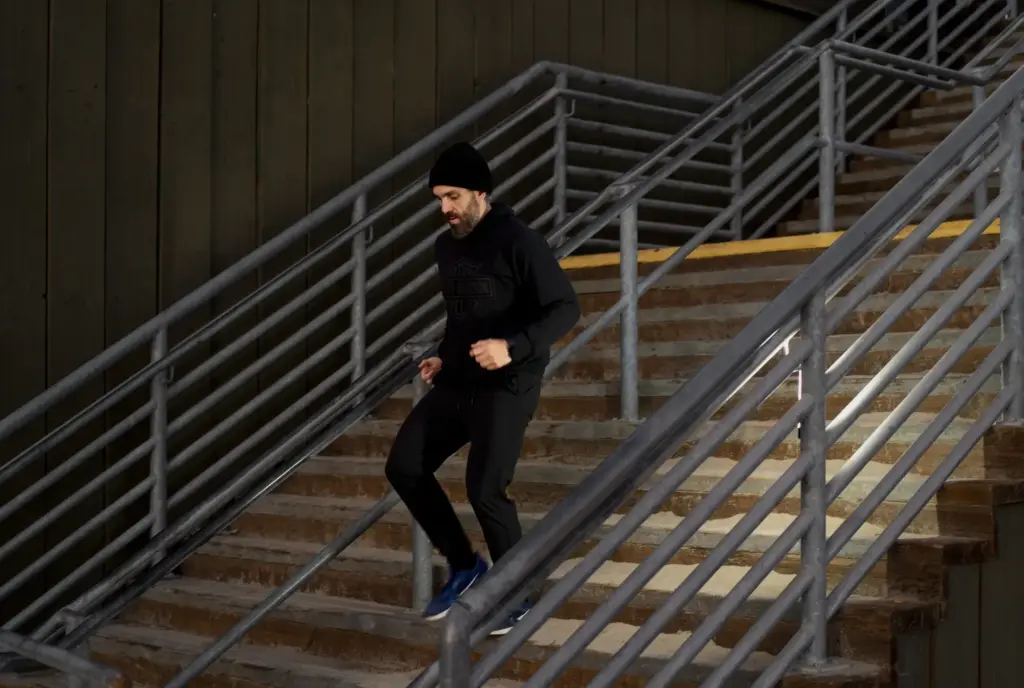
Shortcut Cities: Designing Stairs and Alleys People Love

Today we explore urban planning for pedestrian shortcuts, integrating stairs and alleys into city design to stitch together everyday journeys. Discover how compact connections save minutes, encourage walking, support small businesses, and strengthen safety when crafted with welcoming geometry, clear wayfinding, night lighting, resilient materials, and proud community stewardship.

Why Shortcuts Matter More Than Ever

Shortcuts transform scattered blocks into a legible mesh that respects how people actually move. By increasing permeability, trips shift from cars to feet, improving public health, cutting emissions, and creating casual encounters. In dense districts, five extra entrances can unlock thousands of daily minutes saved, compounding opportunity and delight.

Designing Stairs That Invite, Not Intimidate

Comfort begins with proportions that match natural cadence, steady handrails that welcome every palm, and landings that let conversations breathe. Add non-slip edges, drainage that shepherds storms, and lighting that flatters faces, and steps become beloved civic furniture rather than utilitarian obstacles waiting to be hurried past.

Rethinking Alleys as Public Living Rooms

Once merely service corridors, alleys can host art, micro retail, and greenery while still handling bins and deliveries. With lighting, murals, and human activity, back routes become comfortable shortcuts, distributing foot traffic, reducing fear, and celebrating the messy, layered life of shared urban backstages.

Safety, Access, and Universal Inclusion

Gradients, Ramps, and Resting Niches

Not every hillside yields to perfect slopes, but thoughtful switchbacks, landings, and alternative paths can welcome wheels without exhausting users. Combine gentle grades with benches, shade, and orientation markers, so pauses feel intentional and dignified rather than forced by fatigue or pain.

Wayfinding That Reduces Cognitive Load

Complex nodes confuse the hurried. Use consistent symbols, contrasting colors, and intuitive arrows that confirm decisions before doubt grows. At entries, post travel times in minutes, not meters, rewarding curiosity and encouraging detours that reveal parks, overlooks, libraries, and safe, well-lit stations.

Maintenance as Design, Not Afterthought

A shortcut crumbles when litter piles up, lamps fail, or ice lingers. Design edges to shed grime, specify fixtures with easy maintenance, and fund stewards who react quickly. Reliability is empathy made visible, earning everyday loyalty from commuters, kids, and elders alike.

Policy, Codes, and Land Ownership Tangles

Great ideas stall when property lines, liability fears, and rigid standards block passage. Cities can trade density bonuses for public access, map easements transparently, and coordinate maintenance. Clear agreements between owners, agencies, and neighbors keep shortcuts open, safe, and welcoming for the very people they serve.

Easements and Incentives That Unlock Networks

Easements become friendly when the map matches the ground. Record widths, hours, and responsibilities, then mark faces of buildings with tiny plaques that reassure users they belong. Incentives help: fee reductions, expedited permits, or grants for lighting, art, and universal access upgrades.

Standards That Encourage, Not Smother

Walls of prescriptions can smother creativity. Write performance-based standards that specify outcomes like comfort, safety, and permeability, while allowing context-specific solutions. Encourage pilots, measure results, and codify successful patterns, so the code learns as neighborhoods evolve rather than freezing yesterday’s compromises into tomorrow’s streets.

Measuring and Funding What Matters

What gets counted gets built. Track minutes saved, injuries prevented, emissions avoided, and shopfront revenue growth near new links. Blend transportation, health, and climate funds, and invite businesses to co-sponsor stewardship, ensuring the value loop stays visible, shared, and reinvested locally.

Green, Blue, and Microclimate Benefits

Compact passages can host stormwater planters, pocket trees, and cool materials that soften heat and filter runoff. Add bird-friendly shrubs, vines along handrails, and shade structures over landings. People slow down, listen to water, and rediscover comfort even during hot afternoons and sudden summer downpours.

Stories, Pilots, and How to Get Involved

Across continents, hillside steps in Lisbon, Medellin escalators, Seattle stairways, and Tokyo service lanes prove that small links change lives. Borrow these lessons, try temporary paint and planters, and help map desire lines. Share feedback, volunteer as a steward, and invite neighbors to co-create lasting connections.