

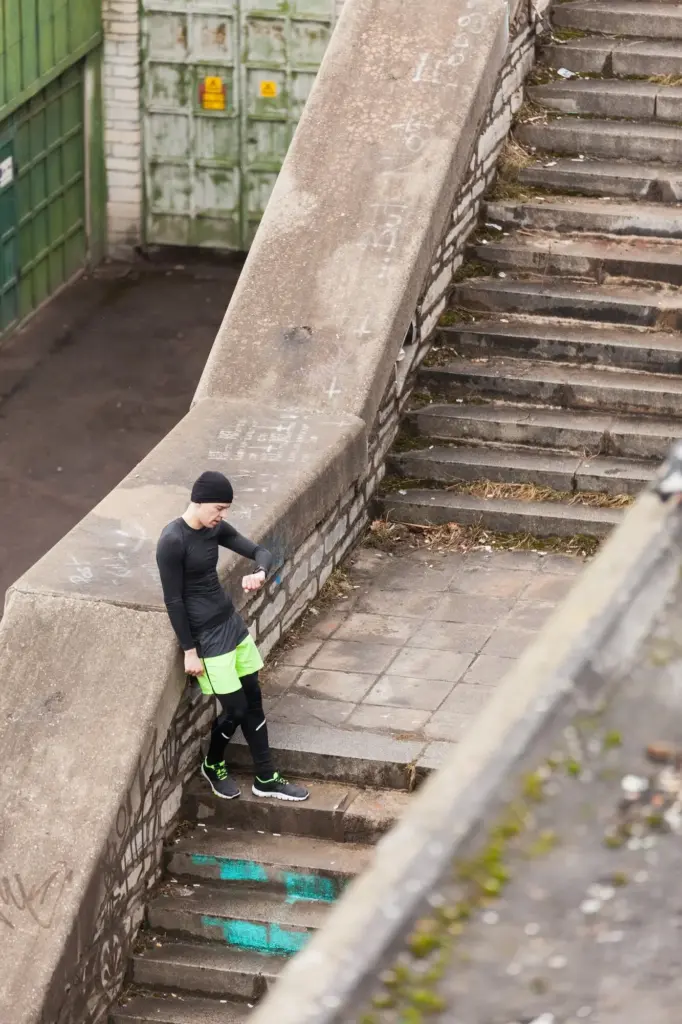






Hidden Steps and the Life Between Blocks

Join us as we explore the history and architecture of urban stairways and mid-block passages, tracing their origins from ancient hill towns to contemporary cities. We’ll uncover how steps and shortcuts shape movement, memory, and community, and share stories that turn climbs into moments of delight. Add your favorite staircase or passage to our growing map, subscribe for field notes, and tell us where these quiet connectors changed your route, your routine, or even your sense of belonging.

Ancient Gradients and Civic Rituals

In ancient settlements, steps stitched temples, markets, and homes into one shared stage. The ascent to a sanctuary turned climbing into ceremony, regulating pace and breath while revealing vistas by degrees. Amphitheater steps doubled as seats and streets, proof that infrastructure could host performance and politics simultaneously. Craftspeople sized risers to human rhythm, mindful of sandals, clay jars, and daylight angles. These decisions still echo in modern projects, reminding designers that a good climb is measured not only in meters but in anticipation, encounter, and pause.

Medieval Shortcuts and Market Lanes

As towns thickened behind walls, mid-block passages emerged as survival tools, slipping between guild halls, bakeries, and courtyards. Merchants opened shutters to these narrow lifelines, catching footfall and conversation that main streets missed. Stairs bent around ovens, ducked under timber beams, and widened just enough for neighbors to trade news while passing baskets. Lanterns marked safer turns, while rain channels kept tread edges dry. What began as practical improvisations quietly formalized into customary rights of way, teaching future planners how informality can harden into beloved public structure.

Grand Gestures of Enlightenment and Empire

Later centuries favored monumental climbs and elegant arcades, translating power and prosperity into stone. Flights like Rome’s celebrated outdoor sets and Paris’s covered galleries transformed vertical movement into spectacle and commerce fused. Steps became vantage points for portraits, protests, and seasonal rituals, while glazed passages sheltered browsing from wind and mud. Even as grandeur dominated, intimate shortcuts persisted behind façades, proving that both everyday efficiency and civic theater could coexist. The best cities held this duality, folding grand narratives and quiet detours into the same walkable fabric.

Anatomy and Craft of the Urban Stair

A successful city stair balances geometry, material, and care. Tread depth invites confidence, riser height syncs with breath, and landings offer micro-rests that double as social stages. Handrails welcome different grips and ages, while lighting renders faces legible and edges crisp. Drainage keeps surfaces honest after storms, and textures signal safety without shouting. Good craft resists haste, insisting that details serve bodies first. When anatomy is tuned with empathy, a stair becomes more than infrastructure; it becomes choreography anyone can learn, regardless of schedule or stride.

Human Scale, Proportion, and the Pause

Design begins with the cadence of steps and lungs. A comfortable rise, generous going, and predictable rhythm reduce cognitive load, letting attention drift to weather, neighbors, and the next decision. Landings should appear where stories naturally start and stop: near doors, views, and crossing routes. Benches, low walls, and handrail returns invite lingering without blocking flow. Even subtle cues—a warmer material under palm, a slightly wider tread before a turn—help people reset balance. Proportion, ultimately, is a form of hospitality you feel in your calves and conversations.

Stone, Brick, Tile, and the Patina of Use

Materials teach time. Basalt outlives fashions, brick warms winter light, and hand-cut tile records thousands of careful descents. Slight irregularities catch sun and slow hurried feet, while nosings announce edges with shadow rather than paint alone. Sealants matter, but breathability matters more; trapped moisture will ruin joints faster than traffic ever could. Detail the cradle where treads meet strings, and let water escape cleanly. Choose finishes that accept repair patches gracefully, so each fix reads as another chapter, not a scar. Durability and dignity are the same craft.

Desire Lines Made Legal

People already cut through, tracing practical geographies with their feet. Formalizing those instincts with mid-block access respects time, spreads footfall, and reduces crowding at corners. Curate edges with windows, micro-courtyards, and seated niches that keep eyes on the path while offering refuge. Avoid dead backs and blind alcoves; place utilities where light and activity remain steady. Wayfinding should be intuitive from both ends, with subtle cues—planting, brick bands, or signage—announcing continuity. When the shortcut feels inevitable rather than negotiated, everyone gains agency and the neighborhood gains resilience.

Arcades, Mews, and Paseos Reimagined

Historic models offer adaptable DNA. Arcades protect walkers and small traders from sun and rain, mews transform service lanes into sociable fronts, and paseos turn leftover slivers into evening promenades. Contemporary versions can mix residential stoops with artisan stalls, bike parking, and pocket libraries. The best updates keep proportions humane, celebrate craftsmanship, and invite many tempos—strollers, delivery workers, teens, elders—without conflict. Integrate planting for habitat and cooling, specifying species that thrive in canyon-like shade. Reimagination succeeds when everyday maintenance is as thoughtfully designed as opening day.

Edges for Small Commerce and Serendipity

Thin spaces excel at hosting smallness: a cobbler’s table, a flower cart, a stool for tea. Micro-tenancies and short leases lower barriers for first-time entrepreneurs while giving walkers reasons to return. Flexible utilities—power, water, anchorage—let edges pivot from weekday service to weekend festival. Carefully spaced doors and transparent corners multiply sightlines, supporting safety through participation rather than policing. Program events with neighbors, and let murals evolve. When commerce remains scaled to conversation, a passage becomes both livelihood and living room, tying prosperity to presence, not just rent.

Global Journeys and Local Lessons

From tiled slopes in San Francisco to covered galleries in Paris and hillside escalators in Medellín, cities experiment with vertical connection in ways that blend culture, climate, and courage. Studying these places reveals patterns: community stewardship outlasts signage, art invites pride, and integration beats isolation. Failures teach too—overly steep runs, dark corners, or privatized shortcuts quickly fall from grace. Local projects need not be grand; small, consistent upgrades compound. Let distant examples inspire, but measure success by neighbors’ footsteps, not photographs alone.

San Francisco, Valparaíso, and the Hills That Teach

Filbert and Greenwich steps wrap steep grades with gardens and wooden rhythm, proving softness can tame incline. In Valparaíso, funiculars and painted stairs stitch cerros to ports, democratizing views long hoarded by altitude. The 16th Avenue Tiled Steps, built by volunteers, show how mosaic storytelling draws caretakers as well as tourists. Across these cities, slope becomes identity rather than obstacle, provided maintenance matches romance. Railings repaired quickly, plantings watered, and neighbors named—these practices keep heroic climbs welcoming long after ribbon-cuttings and viral photos fade from memory.

Parisian Passages and the Birth of Browsing

The passages couverts married weather protection with spectacle, incubating window-shopping and the flâneur’s art. Iron, glass, and tile created luminous shortcuts where cafés, bookshops, and ateliers thrived. Their lesson endures: permeability plus comfort unlocks lingering, and lingering seeds economy. Modern equivalents need not mimic style to inherit spirit; generous ceilings, honest materials, and layered thresholds can achieve the same invitation. Crucially, each passage maintains a public itinerary even when privately maintained, ensuring reliability. People return where their time is respected and their curiosity is rewarded at every turn.

Medellín’s Escalators and Community Resilience

In Comuna 13, outdoor escalators bridged punishing slopes, cutting travel times dramatically while signaling that investment and dignity could arrive together. Infrastructure alone was not the miracle; murals, music, and local hires transformed mechanisms into momentum. Safety improved as residents claimed spaces with programming and routine. The project’s humility—stopping at plazas, respecting existing routes, and pairing machines with stairs—matters. Redundancy protects access when power falters, and shade structures invite conversation, not just throughput. The clearest outcome: mobility and hope are entwined when design listens before it lifts.

Designing for Access, Safety, and Care

Equity arrives on foot. That means risers that welcome short legs and tired knees, textures readable by cane and shoe, and light that honors faces, not just cameras. It means ramps where slope allows, and alternatives—lifts, funiculars, switchbacks—where it does not. Safety grows from visibility, companions, and predictable edges, not excessive hardware. Care is governance: cleaning schedules, repair budgets, and responsibility shared between public agencies and neighbors. When everyone can choose a dignified route, a city keeps its promise from front doors to horizons.

Universal Design Beyond Checklists

Codes establish floors, not ceilings. Start with invitations: handrails that meet early and continue unbroken, resting places within comfortable intervals, and signage that speaks in symbols and multiple languages. Tactile warnings should clarify without clutter, and contrasts should work in rain as well as sun. Consult elders, children, and delivery workers before drawing final lines—they read the gradient differently. Pair slope options so companions can travel together. When universal design becomes a culture rather than a compliance task, dignity scales, and maintenance teams know exactly why details matter.

Visibility, Stewardship, and Warm Light

Eyes on the path begin with active edges: doors that open often, windows near stairs, and low planting that frames rather than hides. Warm, shielded lighting preserves night’s character while rendering faces and steps clear. Stewardship programs—adopt-a-stair, evening walks, rotating art—convert anonymity into familiarity, the truest deterrent to harm. Cameras may document but cannot welcome; neighbors can. Establish quick-response maintenance so broken bulbs and loose nosings never linger. When people feel anticipated rather than monitored, they claim routes proudly, adding stories that keep others company after dark.

Governance, Funding, and the Long Now

Great steps and passages fail without caretakers. Budget for cleaning, joints, rail hardware, and plant replacements from day one, not as afterthoughts. Shared ownership models—business improvement districts, community land trusts, or maintenance endowments—spread responsibility while retaining public access. Publish service standards and response times so trust grows with predictability. Measure success through footfall diversity, not only peak counts. Pair design guidelines with training for crews, because craftsmanship lives or dies in the field. Plan for replacement cycles explicitly; the long now rewards places that tell the truth about wear.

Climate, Ecology, and Maintenance in Vertical Public Space

Stairways and passages can heal microclimates when details invite water, shade, and habitat. Integrate rills and discreet runnels to guide storms into planters, letting roots drink before drains roar. Choose high-albedo or shaded surfaces that cool summer feet, and specify de-icing strategies gentle on stone and soil. Bioswales soften hard corners, while vines temper glare. Maintenance begins in the drawing set: spare parts specified, fixings accessible, and replacement paths clear. When ecology and care co-author each step, longevity feels less like effort and more like grace.