Hidden Paths, Safe Steps

Today we explore safety, access, and etiquette for navigating hidden pedestrian routes—those quiet stairways, cut-throughs, and alley links that stitch neighborhoods together. Learn how to find them responsibly, move considerately, reduce risk, welcome everyone, and share discoveries without endangering fragile places. Join the conversation, ask questions, and help map kinder journeys.

Finding The Unmarked Way

Hidden pedestrian routes often hide in plain sight: faint desire lines across grass, narrow gaps between fences, or old steps tucked behind shops. This guide shows how to locate them without trespassing, using public records, local knowledge, and thoughtful observation, while preserving privacy, safety, and community trust.

Situational Awareness In Motion

Keep your head up, scan doorways, windows, and intersecting alleys, and note reflective glints that might announce bikes. Smell for wet leaves or diesel. Count steps between landings. Name exits aloud if alone. The more your senses engage, the calmer your decisions become under subtle pressure.

Night And Low-Visibility Choices

At dusk, choose routes with sightlines that fan wide, even if they add minutes. Use a warm-beam light angled low to reveal texture without blinding others. Reflective accents on bags help, too. If you feel watched, reverse calmly, phone a friend, and relocate to populated frontage.

Emergency Readiness For Small Spaces

Carry a compact whistle, a tiny bandage kit, and an offline map pinned to your phone. Memorize local non-emergency numbers. If confrontation sparks, create distance, keep words neutral, and exit. Afterwards, record details to inform neighbors, authorities, and future walkers without sensationalizing or spreading fear.

Access And Inclusion

Hidden routes should serve everyone, not only the nimble or privileged. Notice slopes, handrails, step heights, turning radii, and surface consistency. Celebrate routes with ramps and landings, and advocate where barriers persist. Invite feedback from wheelchair users, parents with strollers, elders, and visitors, then convert suggestions into action.

Yielding On Single-Track Stairs

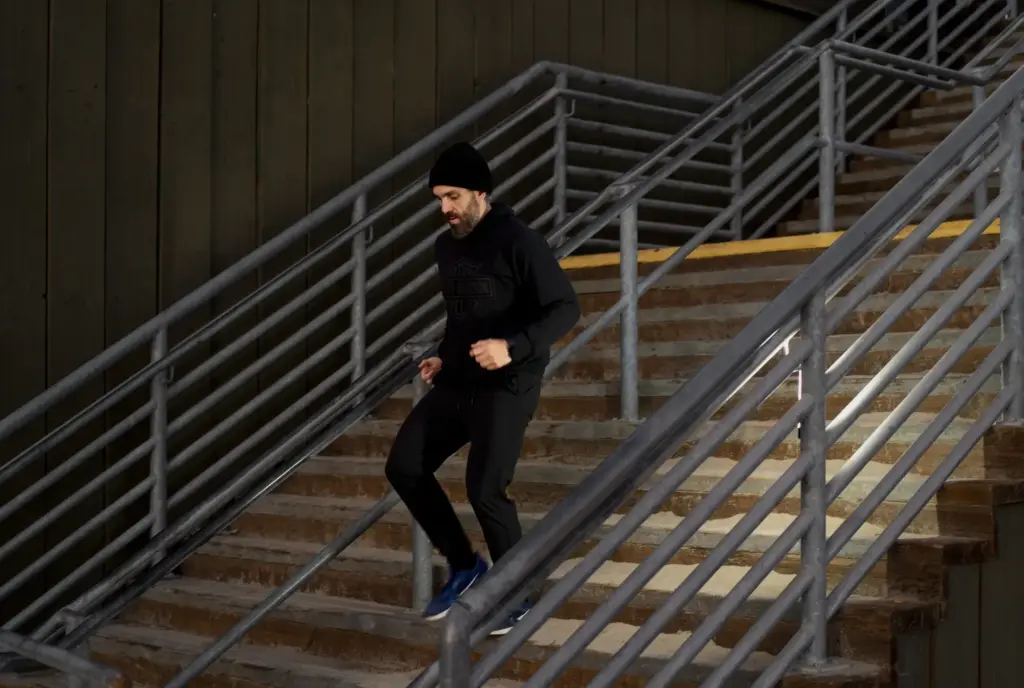
On tight staircases, step aside at wider treads or small alcoves, turning your shoulders to create space. Let those carrying loads or climbing uphill clear first. If a group follows you, pause at a safe pullout, smile, and restart after their rhythm settles ahead.

Quiet Feet, Kind Voices

Shoes that squeak or drag can disturb residents whose windows hug the path. Choose softer soles, avoid speakerphone calls, and keep greetings warm but brief. At night, whisper thanks rather than shouting appreciation. A calm tone invites reciprocal care, easing tension in compact, echoing spaces.

Dogs, Wheels, And Shared Expectations

Short leashes prevent tangles on steps. Dismount scooters or bikes where sightlines close. Ask before passing a stroller on a narrow deck. Wipe muddy paws or tires at exits. These simple courtesies transform hidden links into welcoming, multi-use connectors rather than contested shortcuts through someone’s front yard.

Stories Beneath The Cobblestones

Many quiet cut-throughs trace centuries-old rights-of-way, canal towpaths, or service alleys behind markets. Share the human stories discovered there—craftspeople, porters, schoolchildren, and activists who shaped safer routes. Balance enthusiasm with discretion, protecting sensitive habitats, private moments, and addresses while inspiring readers to explore gently and contribute ethically.

Planning, Gear, And Digital Tools

Preparation transforms meandering curiosity into confident exploration. Choose supportive shoes, carry water, and pack a slim layer for shade or drizzle. Download offline maps, add neighborhood emergency contacts, and set a check-in reminder. Balance documentation with presence, letting priceless details surface while screens stay respectfully secondary.